A Comprehensive Overview to the Advantages of Utilizing Aluminum Casting for Product Growth
Aluminum casting presents a range of benefits that can greatly improve product advancement throughout numerous industries. Its lightweight nature adds to improved efficiency and efficiency, while its stamina and resilience make it a reputable selection for numerous applications. Furthermore, aluminum's corrosion resistance and cost-effectiveness allure to suppliers concentrated on sustainability. As industries proceed to evolve, comprehending these benefits comes to be essential for innovation. What particular applications can really showcase the capacity of aluminum casting?
Comprehending Aluminum Casting: An Introduction
Aluminum casting is a functional production procedure that involves pouring liquified aluminum into a mold and mildew to create elaborate shapes and parts. This method is commonly made use of in different sectors because of its capability to generate intricate geometries with high precision. The process starts with the creation of a mold and mildew, which can be made from various materials such as sand or metal. Once the mold is prepared, molten aluminum is gathered and allowed to cool down, strengthening right into the preferred kind.
Aluminum casting deals numerous benefits, consisting of exceptional fluidity, which enables for thorough styles and smooth surfaces. In addition, it has a fairly reduced melting point, making the process energy-efficient contrasted to various other metals - Aluminum Castings. Post-casting, the parts can go through further machining to accomplish particular resistances and surfaces. This combination of adaptability and effectiveness makes aluminum casting an attractive choice for item advancement across numerous fields, consisting of automobile, aerospace, and durable goods
The Lightweight Benefit: Enhancing Product Performance
The lightweight nature of aluminum casting significantly contributes to improved item performance across numerous applications. By lowering general weight, products can achieve boosted fuel efficiency and maneuverability, while additionally lessening customer tiredness. This benefit settings aluminum casting as a critical consider the advancement of high-performance products.
Boosted Gas Efficiency
Lowering weight in manufacturing has actually ended up being an essential method for boosting fuel effectiveness in various sectors, specifically in vehicle and aerospace fields. Aluminum casting plays an essential duty in achieving this goal as a result of its lightweight residential or commercial properties. By replacing traditional materials with aluminum, suppliers can create components that markedly reduced lorry weight, causing improved gas intake. A lighter vehicle requires much less power to run, converting to lowered gas expenses and reduced greenhouse gas exhausts. In addition, aluminum's strength-to-weight proportion permits for the design of robust yet light-weight structures, even more optimizing performance. This strategic concentrate on weight decrease not only improves fuel efficiency yet additionally straightens with worldwide sustainability goals, making aluminum casting a progressively attractive option for suppliers looking for to innovate responsibly.
Boosted Maneuverability
Weight decrease accomplished through aluminum casting greatly boosts ability to move in various applications, particularly in lorries and machinery. The lightweight nature of aluminum permits for quicker velocity and sharper turning capabilities, making it an optimal choice for automotive layout and aerospace design. This reduction in mass enables drivers to put in less pressure when guiding or navigating, eventually resulting in enhanced control and responsiveness. In industries such as robotics and product handling, the agility provided by aluminum spreadings helps with intricate motions and accurate operations. Additionally, the reduced weight of elements can result in innovative layouts that additionally enhance performance, permitting for much more efficient use room and power. On the whole, improved maneuverability is a significant benefit that aluminum casting offers product development.
Reduced Fatigue Degrees
Considerable reductions in component weight add to lower fatigue degrees for users in numerous applications. Aluminum casting, recognized for its lightweight homes, plays an important duty in enhancing individual convenience and efficiency. When items are lighter, users experience less stress throughout prolonged use, specifically in industries such as aerospace, automotive, and customer electronic devices. This decrease in weight not only enhances handling however also lessens the physical toll on the customer, permitting longer functional periods without discomfort. Subsequently, aluminum-cast parts can lead to enhanced efficiency and effectiveness. In addition, the boosted fatigue resistance is useful in high-stress atmospheres, where standard products might fail. On the whole, aluminum casting arises as a crucial option for establishing cutting-edge items that focus on customer experience and efficiency.
Stamina and Durability: Why Aluminum Casting Stands Out
Aluminum casting is recognized for its outstanding weight-to-strength proportion, making it an optimal choice for applications needing both longevity and light-weight homes. Additionally, its fundamental resistance to corrosion enhances its longevity and efficiency in different atmospheres. These qualities placement aluminum casting as a standout alternative in item development.
Exceptional Weight-to-Strength Proportion
The outstanding weight-to-strength proportion of aluminum casting makes it a favored choice in different markets. This distinct characteristic allows suppliers to produce lightweight parts without jeopardizing structural honesty. Because of this, items can accomplish boosted performance, specifically in applications where lowered weight is necessary, such as automobile and aerospace sectors. The capability to keep strength while minimizing weight brings about boosted efficiency, gas cost savings, and improved handling. In addition, aluminum casting permits intricate shapes that typical products might battle to achieve, further optimizing designs for functionality and performance. This combination of lightness and stamina not only promotes innovative product advancement however additionally adds to general cost-effectiveness, making aluminum casting an attractive alternative for engineers and developers alike.
Resistance to Rust
Among the standout attributes of aluminum casting is its exceptional resistance to corrosion, which substantially boosts the strength and toughness of products made from this material. Unlike many metals that deteriorate when revealed to dampness or extreme settings, aluminum develops a protective oxide layer that prevents further oxidation. This particular makes aluminum spreadings suitable for different applications, especially in markets such as automobile, aerospace, and marine, where exposure to destructive elements prevails. Additionally, this resistance contributes to lower maintenance expenses and longer product life expectancies, providing considerable financial advantages. Generally, the deterioration resistance of aluminum casting not just ensures the honesty of items but also makes it a recommended selection pop over here for programmers going for dependability and longevity in their designs.
Corrosion Resistance: Securing Your Products
Reliable deterioration resistance is crucial for enhancing the longevity and integrity of items in various markets. Aluminum casting offers an amazing advantage in this area, as aluminum normally forms a protective oxide layer when subjected to air. This oxide layer works as an obstacle versus environmental factors such as dampness and salts, greatly minimizing the danger of corrosion.
Aluminum's lightweight nature does not compromise its toughness, making it an excellent option for applications in vehicle, aerospace, and marine atmospheres where direct exposure to corrosive aspects is usual (Aluminum Castings). Products made from aluminum casting not only hold up against harsh conditions yet also need marginal upkeep in time
The integral rust resistance of aluminum assurances that products preserve their aesthetic allure and functionality, ultimately bring about higher customer fulfillment. By making use of aluminum casting, manufacturers can safeguard their products efficiently, ensuring they stay long lasting and reliable throughout their lifecycle.
Cost-Effectiveness: Balancing Quality and Budget
Aluminum casting not only offers impressive rust resistance but likewise presents a cost-efficient remedy for item advancement. By using aluminum, producers can attain high-grade components without incurring extreme prices. The product's lightweight nature lowers shipping and handling costs, while its malleability permits detailed layouts that reduce the requirement for added machining processes.
Additionally, aluminum casting procedures can be scaled to suit differing manufacturing quantities, making certain that companies can change their outcome based upon market needs without giving up quality. The toughness of aluminum elements likewise indicates lower maintenance costs over time, providing lasting savings.
In addition, aluminum's superb thermal conductivity and strength-to-weight ratio add to effective item efficiency, additional validating the preliminary financial investment. Eventually, firms can strike a balance in between quality and budget plan, making aluminum casting an appealing selection for those looking to enhance both efficiency and expense in item development.
Sustainability and Recyclability: The Eco-Friendly Option
While the ecological impact of producing processes is increasingly inspected, aluminum casting becomes a sustainable selection because of its integral recyclability and decreased carbon impact. Aluminum can be reused indefinitely without loss of high quality, making it a very lasting material for production. This reusing procedure consumes less power contrasted to main aluminum manufacturing, which considerably reduces greenhouse gas exhausts.
Furthermore, the usage of aluminum casting decreases waste during the manufacturing procedure, as excess material can typically be recycled in future tasks. The long life and resilience of aluminum products even more contribute to sustainability by minimizing the requirement for regular substitutes. As markets change towards eco-friendly practices, aluminum casting offers a viable solution that aligns with environmental goals. By choosing for aluminum, makers not only support sustainable practices but also enhance their corporate duty campaigns, appealing to environmentally conscious consumers and stakeholders alike.
Applications of Aluminum Casting in Various Industries
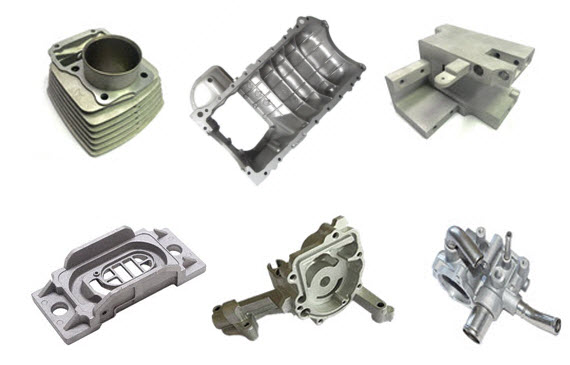
The versatility of aluminum casting permits it to be utilized across a variety of sectors, additionally improving its allure as a lasting material. In the vehicle industry, aluminum spreadings are used in engine blocks, transmission situations, and structural parts, adding to lighter vehicles and boosted fuel efficiency. The aerospace sector take advantage of aluminum castings, which give lightweight yet durable parts essential for airplane performance and safety. In the customer electronics area, aluminum spreadings are used for housings and architectural components, providing both appearances and performance. Additionally, the building market counts on aluminum castings for home window frameworks, roof covering, and ornamental components, combining strength with layout flexibility. The clinical field likewise incorporates aluminum spreadings in tools and gadgets, ensuring dependability and precision - Aluminum Castings. Generally, aluminum casting's adaptability makes it a recommended choice in numerous sectors, driving technology and efficiency in item growth
Frequently Asked Concerns
Just How Does Aluminum Casting Compare to Various Other Casting Methods?
Aluminum casting is usually preferred over other approaches due to its lightweight nature, exceptional thermal conductivity, and resistance to deterioration. Contrasted to steel or iron, aluminum provides higher layout adaptability and shorter production times.
What Industries Benefit A Lot Of From Aluminum Casting?
Various industries, including vehicle, aerospace, and electronic devices, considerably take advantage of aluminum casting. Its lightweight residential or commercial properties, deterioration resistance, and outstanding thermal conductivity boost product performance, making it a recommended selection for producing high-quality elements throughout these industries.
Can Aluminum Casting Be Made Use Of for Intricate Designs?
Aluminum casting can certainly suit intricate layouts due to its fluidity and ability to record fine information. This adaptability makes it appropriate for numerous applications, including vehicle, aerospace, and artistic undertakings, boosting the creative potential in item development.

What Prevail Obstacles in Aluminum Casting?
Typical obstacles in aluminum casting read include concerns with shrinking, gas porosity, and mold and mildew layout complexities. In addition, accomplishing precise dimensional accuracy can be tough, requiring mindful planning and quality assurance throughout the casting process.
How Does the Aluminum Casting Refine Influence Lead Times?
The aluminum casting procedure can significantly affect preparations by streamlining production through reliable mold production and quick air conditioning. Intricacies in layout and possible defects that site may prolong timelines, calling for cautious planning to optimize results.